
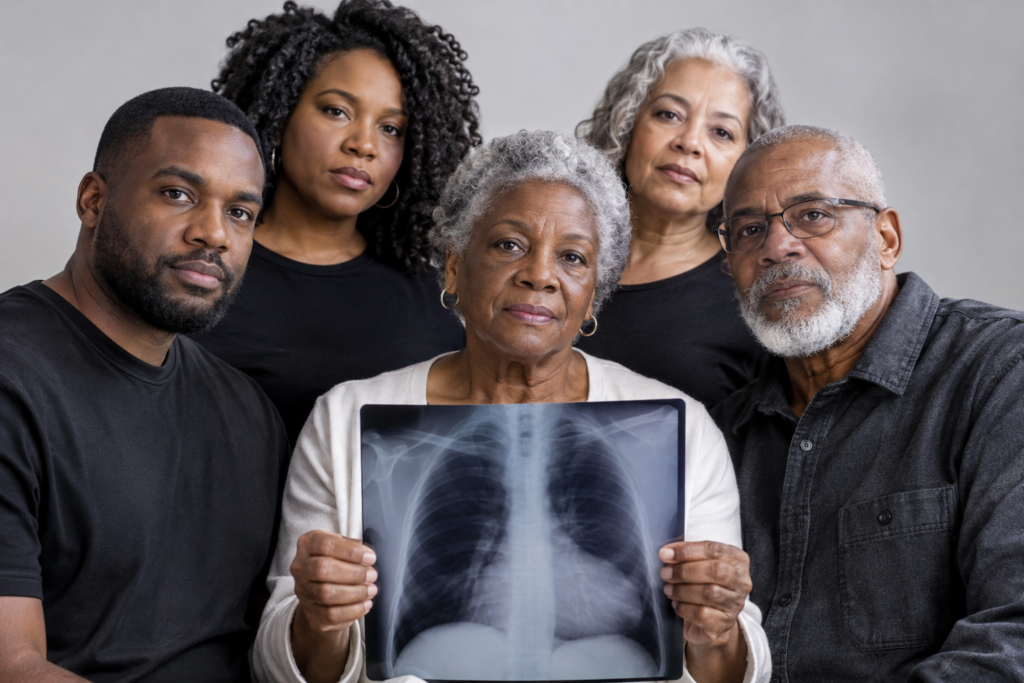
November is Lung Cancer Awareness Month, a time to educate communities about lung cancer, encourage early detection, and recognize the individuals and families affected by this disease.
Lung cancer is one of the most common types of cancer worldwide. It occurs when abnormal cells grow uncontrollably in the lungs, affecting their ability to function properly. While a lung cancer diagnosis can be overwhelming, learning about the disease, recognizing warning signs, and seeking medical attention can make an important difference.
Understanding Lung Cancer
Lung cancer develops when cells in the lungs begin growing abnormally and form tumors. These cancerous cells can interfere with normal breathing and may spread to other parts of the body.
There are two main types of lung cancer:
- Non-Small Cell Lung Cancer (NSCLC): The most common type of lung cancer, accounting for approximately 85% of cases.
- Small Cell Lung Cancer (SCLC): A less common but generally faster-growing type of lung cancer.
Understanding these types can help individuals and families become more informed about diagnosis and treatment options.
Common Signs and Symptoms of Lung Cancer
Recognizing possible symptoms is important. Some warning signs include:
- A persistent cough that does not go away.
- Coughing up blood or blood-stained mucus.
- Chest pain or discomfort.
- Shortness of breath.
- Hoarseness or changes in the voice.
- Unexplained weight loss.
- Frequent respiratory infections.
- Ongoing fatigue or weakness.
Some people may not experience noticeable symptoms during the early stages. If you notice unusual or persistent changes in your health, consult a healthcare professional.
Understanding the Risk Factors
Although anyone can develop lung cancer, certain factors can increase the risk.
These include:
- Cigarette smoking.
- Exposure to secondhand smoke.
- Radon gas exposure.
- Long-term exposure to certain workplace chemicals and substances.
- Air pollution.
- Family history of lung cancer.
Avoiding tobacco, reducing exposure to harmful substances, and discussing personal risk factors with a healthcare provider can help protect your health.
The Importance of Early Detection
Early detection plays an important role in lung cancer care. When lung cancer is identified at an earlier stage, patients may have more treatment options.
People at increased risk may qualify for annual low-dose CT (LDCT) lung cancer screening. Eligibility depends on factors such as age and smoking history, so it is important to discuss screening with a healthcare professional.
Treatment options may include surgery, chemotherapy, radiation therapy, targeted therapy, or immunotherapy, depending on the type and stage of cancer and the patient's overall health.
Supporting Loved Ones Living With Lung Cancer
A lung cancer diagnosis affects more than just the patient. It can also bring emotional, physical, and financial challenges for family members and caregivers.
During this difficult time, loved ones need understanding, encouragement, and dependable support.
Here are some ways families and caregivers can help:
- Offer emotional support: Listen, provide encouragement, and remind loved ones that they are not alone.
- Assist with daily activities: Help with meal preparation, dressing, bathing, and household responsibilities when needed.
- Encourage medical appointments: Help organize appointments and transportation.
- Promote proper nutrition: Support healthy eating habits based on the patient's medical needs.
- Provide companionship: Spend quality time together and participate in meaningful activities.
- Respect their independence: Encourage individuals to remain involved in daily decisions whenever possible.
Even small acts of kindness can bring comfort and reassurance to someone going through cancer treatment.
How Home Care Can Make a Difference
Living with lung cancer can make everyday activities more difficult, particularly for individuals experiencing fatigue, weakness, or breathing difficulties.
Professional home care services can provide additional assistance, helping individuals remain comfortable and supported in their own homes.
At Charlotte's Home Care LLC, we understand the importance of compassionate care and the role it plays in supporting individuals and their families.
Our caregivers can assist with daily living activities, meal preparation, light housekeeping, companionship, and other non-medical care needs.
We believe every individual deserves dignity, respect, and compassionate support throughout their care journey.
Together, We Can Make Every Breath Count
Lung Cancer Awareness Month reminds us of the importance of education, early detection, prevention, and compassionate support.
Let us take this opportunity to encourage regular health discussions, support those affected by lung cancer, and recognize the families and caregivers who stand beside them.
Every person deserves care, understanding, and hope.
This November, let's raise awareness, support lung health, and stand together for everyone affected by lung cancer. ❤️
With care,
Charlotte's Home Care LLC