
Specialized Care in Little Rock
Care for the situations that ask more of everyone: recovery after surgery, a long-term condition, dementia, or a family caregiver who needs a rest.
What specialized care covers
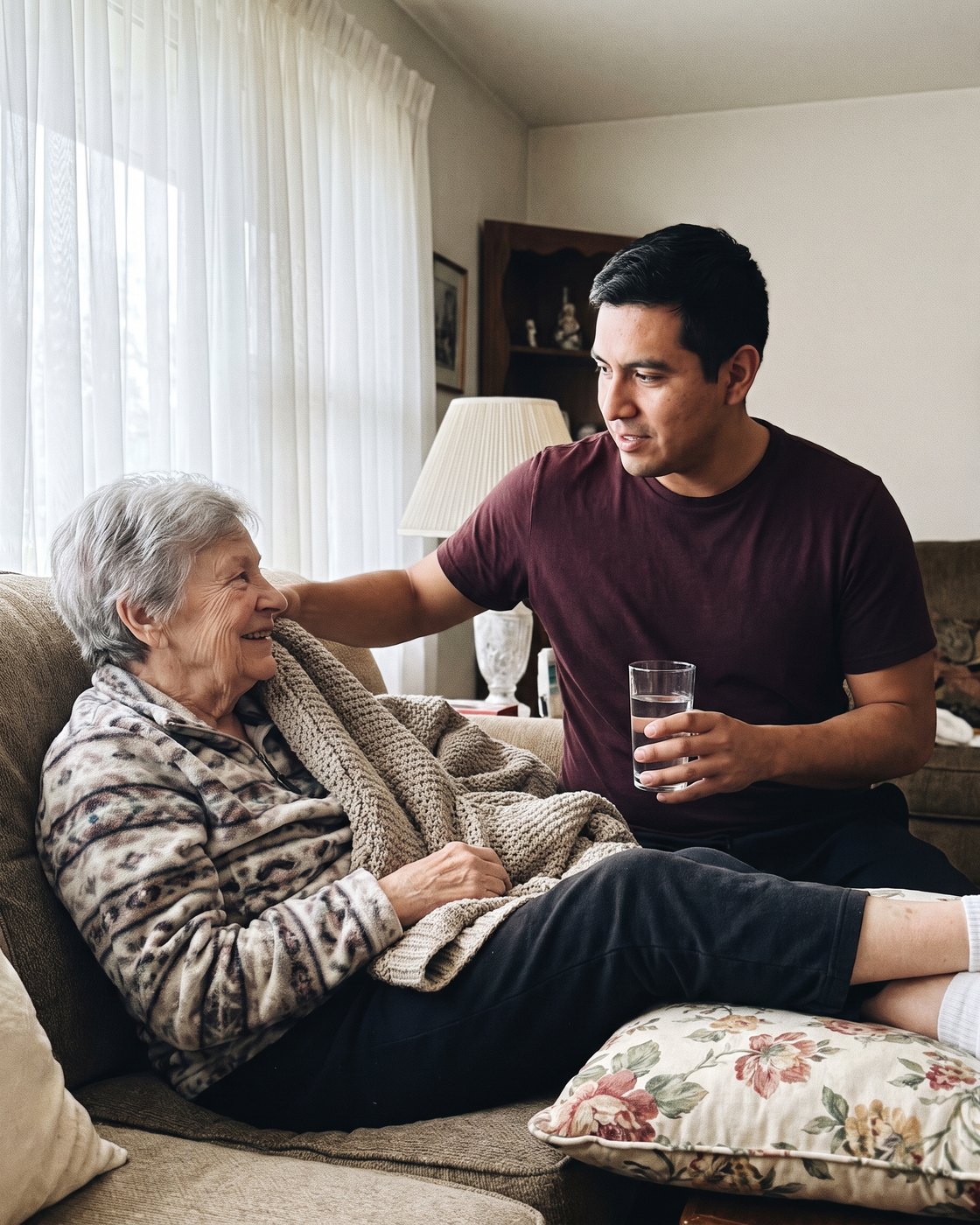
Some situations need more than a standard visit: more patience, more consistency, and caregivers who understand what a particular condition does to an ordinary day. This is non-medical care, given by people who have done it before and who know when to call for help.
- Post-surgical and recovery care
- Respite care
- Palliative care
- Parkinson's care
- Dementia and Alzheimer's care
- Chronic illness support
- Disability care
How we approach it
The condition changes the details, not the principles. With dementia, that means a familiar face every visit, a predictable routine, and no arguing with a reality that is not ours. With Parkinson's, it means time. Nothing is rushed, and help arrives before frustration does. After surgery, it means watching for the small things a discharge sheet warns about and telling you the same day.
Palliative care at home is about comfort and company, working alongside the hospice or medical team rather than instead of them. Our job is the ordinary parts: a clean bed, a favorite meal, someone in the room.
Respite is care for the caregiver. A regular afternoon, a weekend, or a week, so that the person who has been holding everything together can put it down for a while.
Who it helps
- Someone coming home from hospitalThe first weeks after surgery are when a fall or a missed instruction undoes the recovery. Steady help until it is safe to be alone.
- A person living with dementiaFamiliar routines, a caregiver they recognize, and a family that finally gets some sleep.
- Adults with a long-term illness or disabilitySupport that fits around good days and bad ones, built on what a person can still do.
- The family caregiverRespite is not giving up. It is how you keep going.
What your first visit looks like
- We meet at homeWe visit, meet your loved one, and hear what the diagnosis means in practice, on a good day and a hard one.
- We talk to the people already involvedWith your permission, that can include the hospital discharge team, hospice, or the family member who has been doing the care.
- We write the planTasks, timings, what to watch for and who to call. You approve it before anything starts.
- You meet the caregiverMatched for experience with the condition as well as for personality, and introduced before the first working visit.
Where we draw the line
We are a non-medical agency. We do not administer medication, manage wounds, give injections or make clinical decisions. What we do is notice, report and support, alongside the nurses, therapists and doctors already involved. If a situation needs skilled nursing, we will tell you plainly and help you find it.
Questions families ask
Do your caregivers have experience with dementia?
Can you provide 24-hour care?
How does respite work?
Do you work alongside hospice?
Caring Angels with Helping Hands and Warm Hearts
Let's talk about specialized care
Tell us what the day looks like right now. We will listen, answer honestly, and if we are not the right fit we will say so.